The LinkedIn content patterns that doubled my reach in a Year
I post a lot on LinkedIn; it's one of the most powerful platforms for the work I do. In 2025, I was posting an average of 1-3 times per week. I have a very specific EV niche, but I did experiment with other content this year. Still, the EV stuff far out performed anything about AI or technology.
📈 The stats:
254,000 impressions, up 100% on 2024
Reach of almost 100,000 people.
Plus 2,000 new followers
A few themes stood out. These are going to guide me into 2026.
1. Divisive topics sparked the most discussion 🔥
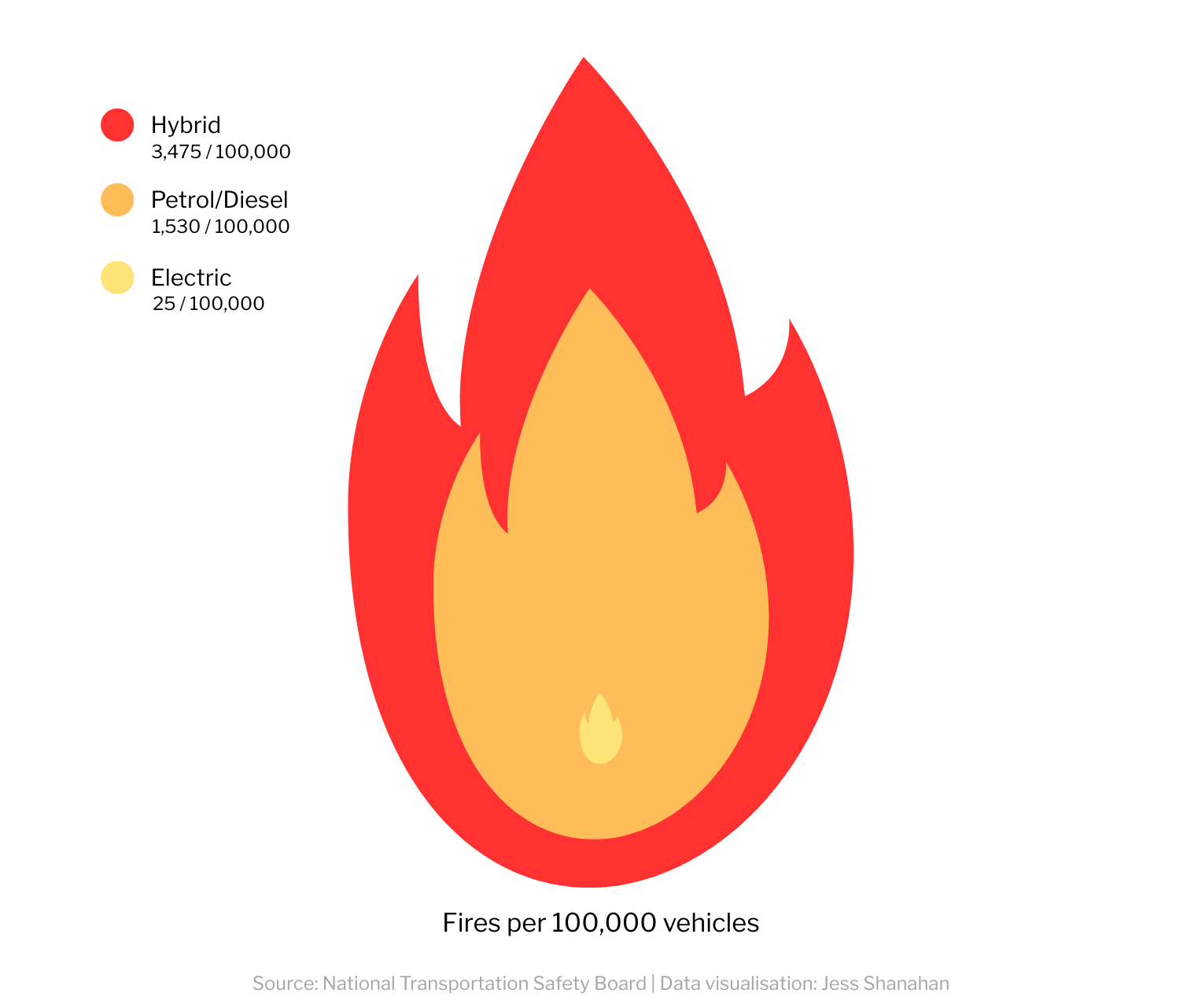
The EV fires graphic drove huge engagement. Partly because it was an original visual, but also because anything involving EV safety brings out strong opinions.
I had people telling me I was wrong, people saying the data was flawed, and people genuinely trying to understand the nuance. It made for a productive (if lively) comments section.
2. Personal experience invites comments
Posts about range anxiety — or the lack of it — performed well. When I talked about not needing 300 miles of range because I stop more often than that, people shared their own habits.
Someone said they need 600 miles and the ability to tow, while others shared that they barely do 200 miles a week, but the conversation stayed grounded in real-world use rather than headlines.
3. Everyday interactions make for great content
The post about the woman at a party asking what I’d do 'when my battery dies in three years' hit a nerve. Not because of the confrontation, but because many people have experienced the same thing: outdated talking points presented with absolute certainty. Most of the comments echoed that pattern.
4. Contextual data outperformed pure storytelling
Some of the highest reach came from straightforward myth-busting: MOT failures, running out of charge, cold-weather range. These posts worked because they paired data with context — age of vehicles, improvements in infrastructure, or driver habits.
5. Anything promotional limits reach
National EV Week promo, YEV podcast promo, Charge Happy promo… all tanked. Not because people don’t care (maybe they don't!), but likely because LinkedIn’s algorithm punishes anything that sends people off the site.
From this analysis, it's really clear what works for my audience, but there's still room for improvement. Next year, I’m going to focus on more original data stories, some personal storytelling (but not too much), and branching out into more energy content.